New marble is beautiful. Old marble is magnificent.
What Is Patina?
Patina is the gradual surface change that happens when stone meets life. Water, soap, touch, time — each interaction leaves an invisible mark that, over years, creates a softness and warmth that new stone doesn’t have.
It’s not damage. It’s biography.
How Marble Ages
Year 1-2: Fresh, bright, exactly as it arrived. Sealed properly, almost no visible change.
Year 3-5: Subtle softening. Polished surfaces may develop a gentle matte quality in high-use areas. The stone feels “settled.”
Year 5-10: Character emerges. Slight variations in surface sheen tell the story of how the sink is used. The veining seems to deepen as the surrounding surface mellows.
Year 10-20: Full patina. The marble has a warmth and depth that cannot be replicated. This is why antique marble costs more than new marble — you’re paying for time.
Year 20+: Legacy. The sink becomes a feature that future owners treasure rather than replace. It has presence.
The Wabi-Sabi Perspective
Japanese wabi-sabi philosophy finds beauty in imperfection and the marks of time. A marble sink that shows its age embodies this principle perfectly:
- Each etch mark is a morning routine remembered
- Each subtle stain is a gathering celebrated
- The overall patina is a life well-lived
Patina vs. Neglect
There’s a difference:
- Patina: Gradual, even character development across the whole surface
- Neglect: Harsh stains, chips, unsealed deterioration
Maintaining your marble sink (sealing, gentle cleaning) while allowing natural aging is the sweet spot. You want biography, not battle scars.
Why Designers Love Patina
Interior designers increasingly specify marble specifically because it ages. In a world of disposable, replaceable fixtures, a material that gets better with time is rare and valuable.
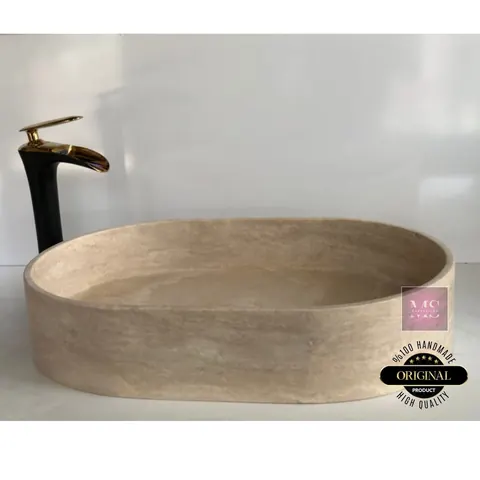
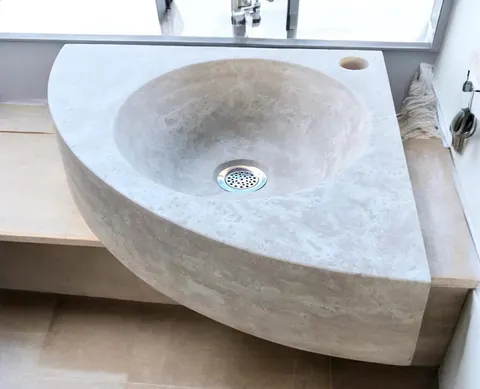
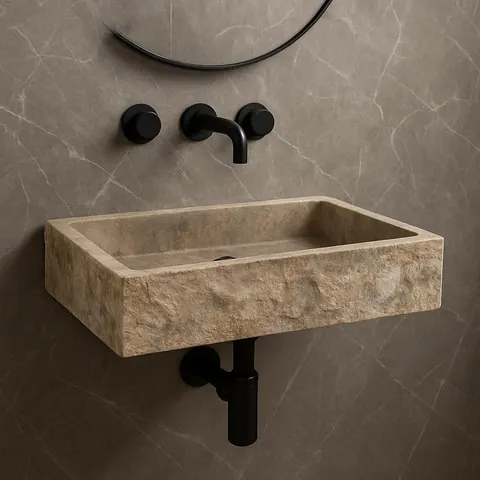
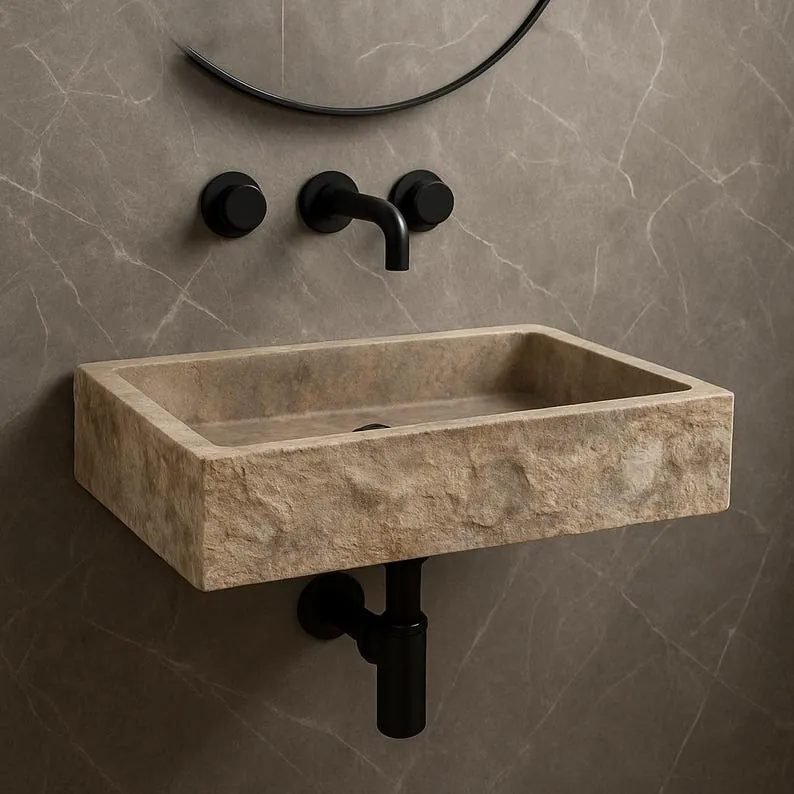
The Travertine sink at $1,370 is especially prized for patina — its warm honey tones deepen beautifully over years.
Shop marble sinks that age beautifully →
Related
- Marble Sink Care Guide
- Natural Edge Marble Sink
- Why Handcrafted Stone Matters
Frequently Asked Questions
Does marble change color over time?+
White marble can develop a subtle warm patina over years — a gentle softening that antique dealers call 'mellowing.' It's the same process that gives ancient marble statues their characteristic warmth. Proper sealing slows this naturally, but many designers consider the patina desirable.
How do I prevent marble patina?+
Regular sealing (every 6-12 months) significantly slows patina development. Prompt cleanup of spills prevents spot staining. However, consider embracing some patina — it's what makes a marble sink look authentically luxurious rather than artificially perfect.
Can old marble be restored to new?+
Yes. Professional stone restoration can return decades-old marble to near-original condition through grinding, honing, and polishing. But consider whether you want to — the patina of a well-loved marble sink often adds more value than a factory-fresh surface.
Share this article