In most US jurisdictions you do not need a building permit to replace a bathroom sink with a new one in the same place, using the existing supply and drain connections. A permit is usually required when you move or add plumbing lines, add a fixture, or do electrical or structural work. Rules are local, so ask your building department.
When is a permit needed for bathroom work?
Usually no permit for:
- Replacing a sink with a new sink in the same location
- Changing a faucet
- Replacing a vanity in the same position
- Installing a new mirror
- Painting walls
- Replacing tile as a cosmetic job, with no structural changes
Usually a permit for:
- Moving plumbing supply or drain lines to a new location
- Adding a new sink where none existed before
- Electrical work such as new outlets or lighting circuits
- Structural changes, such as removing or adding walls
- Adding or relocating a toilet or shower
- Any work that changes the building’s footprint
Why does this matter when you order a stone sink?
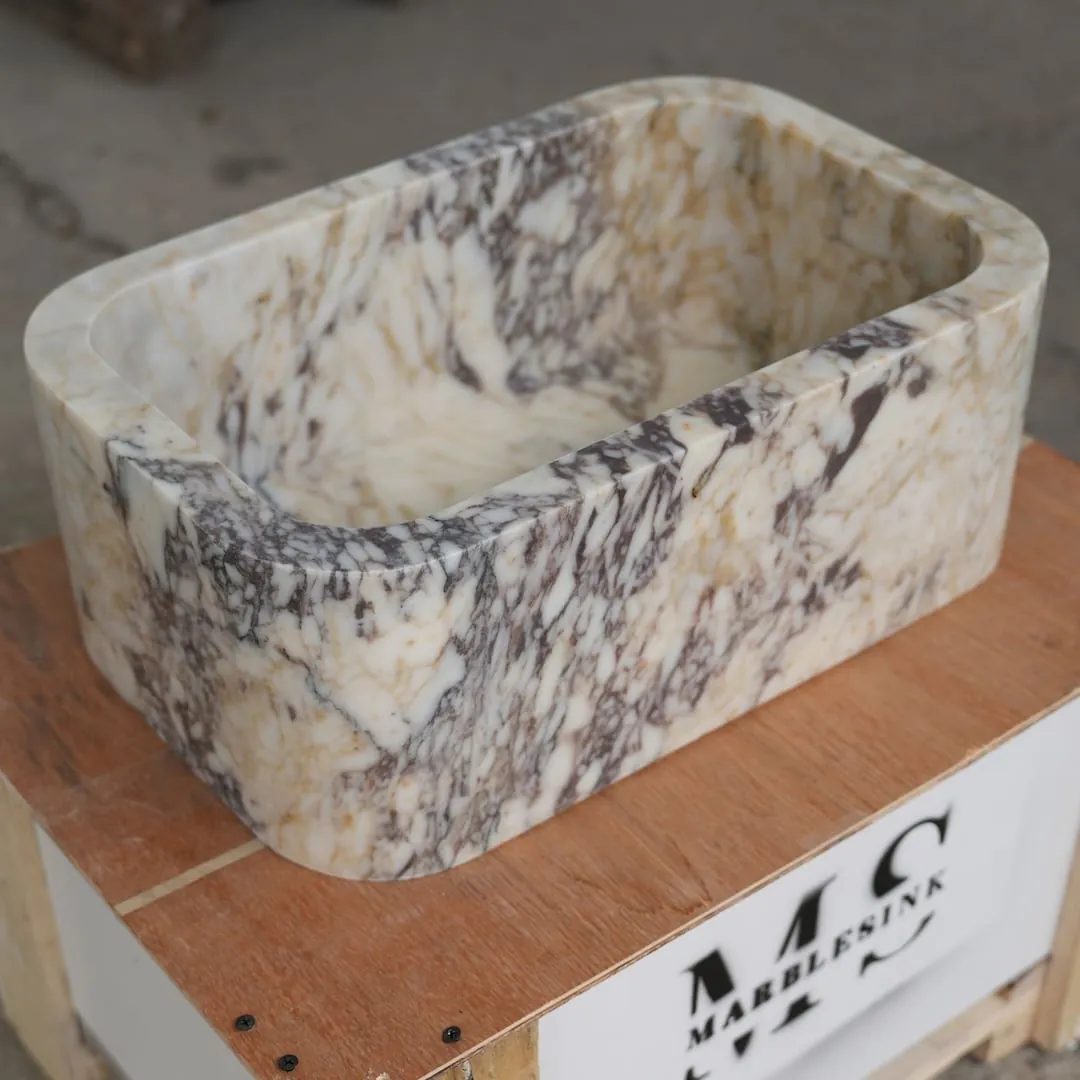
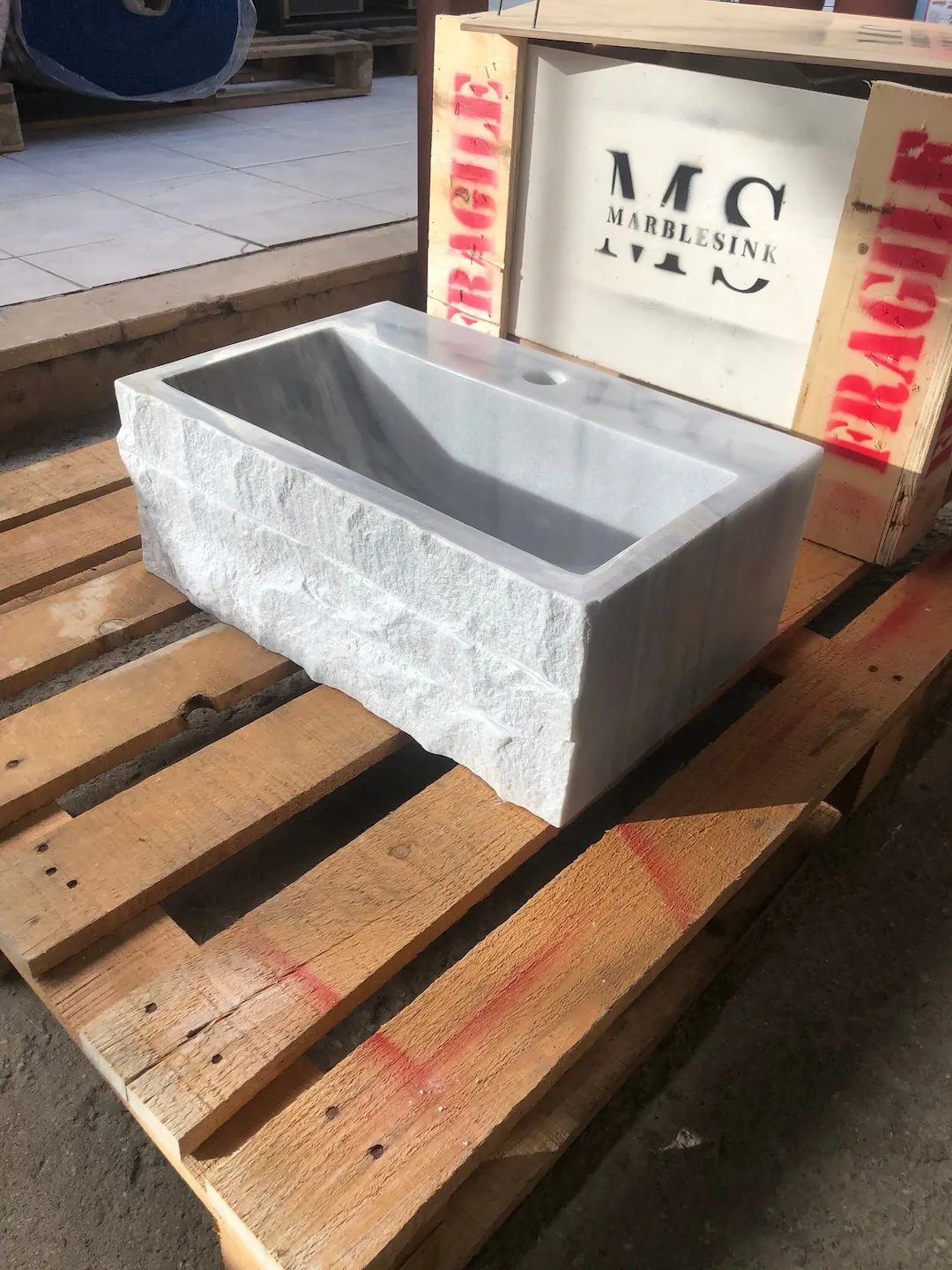
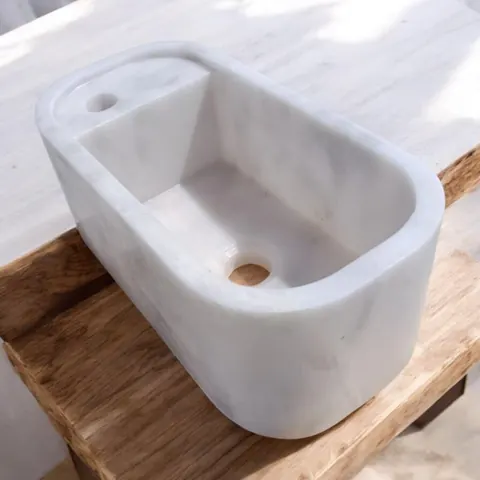
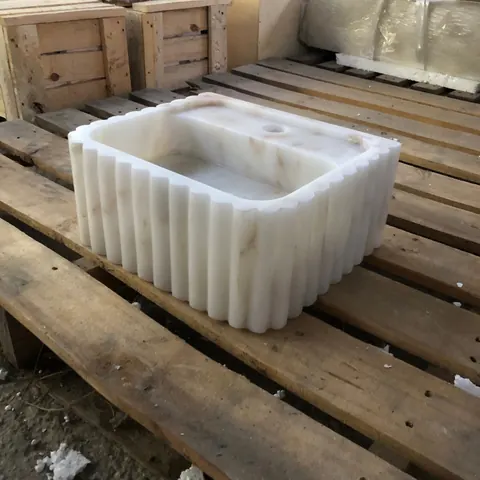
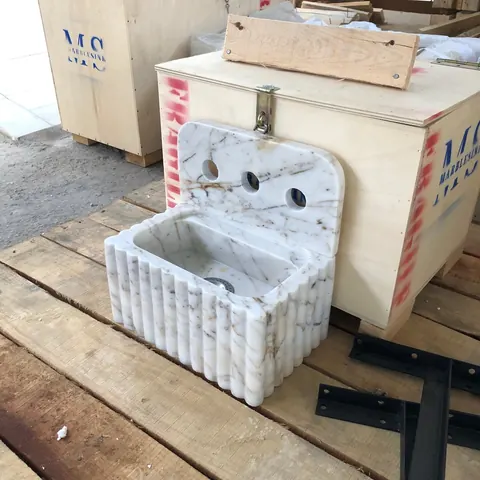
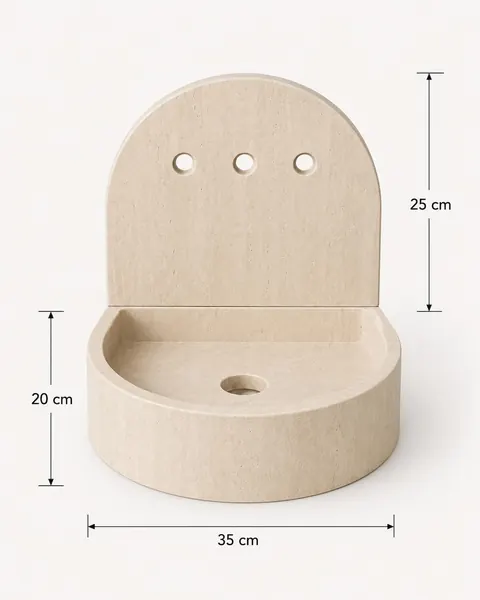
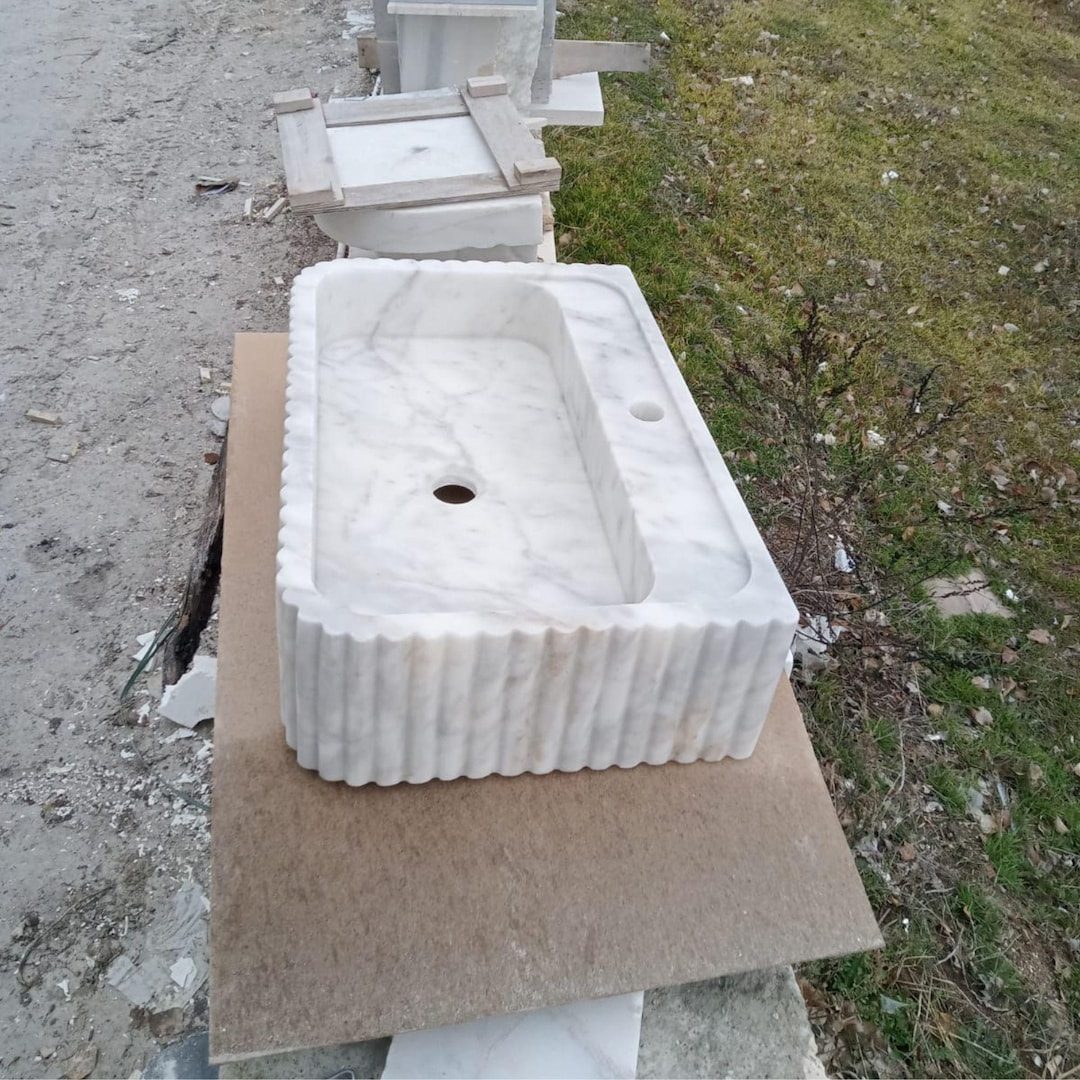
A made-to-order stone sink can go in the same position as an existing sink. A MarbleSinkCo wall-mounted Calacatta marble sink (from $1,012) or a Carrara vessel sink (from $1,334) is a like-for-like replacement when:
- The supply lines stay in the same location
- The drain connects to the same trap
- No new plumbing lines are added
In that case a permit is usually not required. Confirm the drain hole size on the listing before ordering, and ask for a custom drain position or tap holes if your existing plumbing needs them.
MarbleSinkCo pieces are ordered through the MarbleSinkCo Etsy shop. Each sink is made to order in about 2 weeks and then shipped free by insured express courier in about 3 to 9 days, so the old sink can stay in use until the new one arrives.
Do permit rules differ from state to state?
Yes, and more precisely from city to city. Building and plumbing permits are issued by the local building department, which adopts and amends a model code. Two towns in the same state can treat the same job differently, so a state-level list is not reliable.
Three things change the answer most often:
- Who does the work. Many places let homeowners do plumbing repairs in a home they live in, while a contractor doing the same job may need a permit or a license.
- The building. Condominiums, historic districts and homeowner associations often have their own approval steps on top of the city’s.
- The scope. “Replace in the same location” is the usual line. Once a pipe moves, most departments treat the job as new plumbing work.
A phone call or a look at the building department’s website settles the question for your address.
What does a no-permit sink swap involve?
| Step | Permit usually needed? |
|---|---|
| Order the sink and wait for it to be carved and delivered | No |
| Turn off the water and remove the old sink | No |
| Fix the brackets into studs or blocking and set the new sink | No |
| Reconnect the drain and supplies, then test for leaks | No |
| Move the drain or supply stub-outs in the wall | Often yes |
A solid stone sink is much heavier than a ceramic one, so plan the support first. See the wall-mounted stone sink installation planning guide and the guide to stone sink weight and wall support. Steel brackets for MarbleSinkCo wall-mounted sinks are sold separately.
When should you hire a professional?
Reasonable to do yourself, where local rules allow:
- Sink-for-sink replacement on a vanity
- Faucet replacement
- Mirror and hardware updates
- Paint and minor cosmetic changes
Hire a plumber, and ask about a permit:
- Changing from a drop-in to a wall-mounted sink when the drain height or position changes
- Adding a second sink
- Relocating supply lines
Hire a contractor, with permits:
- A full bathroom renovation with layout changes
- Structural work
- Electrical and plumbing relocation
Next steps
MarbleSinkCo lists about 230 hand-carved designs, with sinks starting at $727. A custom size, drain position and tap holes are available on request, which helps a new sink line up with existing pipes. The 60-second quiz narrows the choice by room and style.
Related
Frequently Asked Questions
Do I need a permit to replace a bathroom sink?+
In most US jurisdictions a like-for-like bathroom sink replacement does not need a building permit, as long as the new sink goes in the same place and uses the existing supply and drain connections. Moving plumbing lines or adding a new fixture usually does need one. Permit rules are set by cities and counties, so confirm with your local building department.
Can I replace a sink myself without a plumber?+
Often yes, where local rules let homeowners do their own plumbing repairs. A like-for-like swap means shutting off the water, disconnecting the trap and supplies, and reconnecting them to the new sink. A solid stone sink is heavy, so a wall-mounted one needs steel brackets fixed into studs or solid blocking, and two people to lift it.
What bathroom work requires a permit?+
Permits are generally required for moving or adding plumbing supply or drain lines, adding a fixture where none existed, electrical work such as new circuits, structural changes and added floor area. Replacing a sink, faucet, mirror or vanity in the same location, and painting, usually do not need one. Historic districts and homeowner associations can add their own rules.
Does a wall-mounted stone sink need a permit?+
Replacing an existing sink with a wall-mounted stone sink in the same position usually needs no permit when the pipes stay where they are. Opening the wall to add wood blocking for the brackets is normally treated as a repair, but moving the drain or supply stub-outs is plumbing work that may need a permit. Ask your building department before the wall is opened.
Share this article